






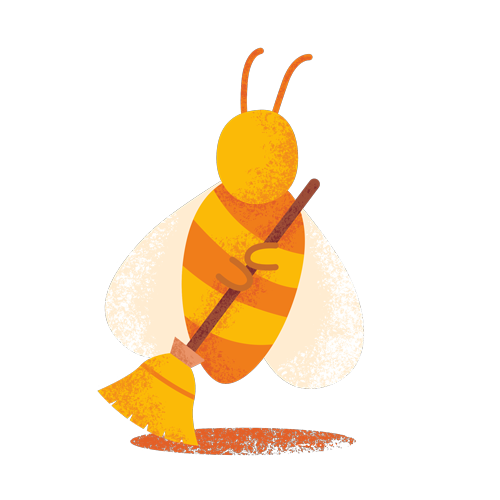
She busies herself cleaning the entire hive and its cells.
Thanks to the development of her food production glands, she starts to make the famous royal jelly to feed the queen and the young larvae during their
first few days.

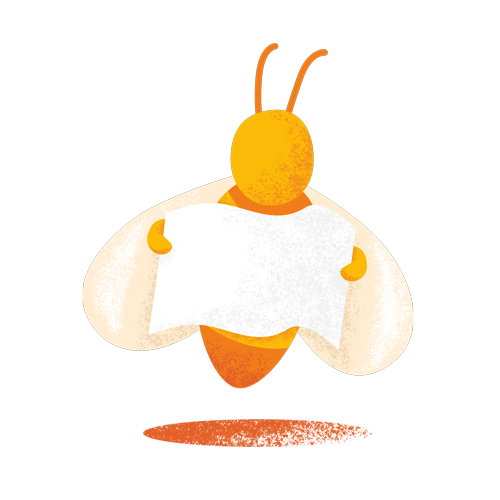
She produces wax to build and repair the cells of the hive, which she
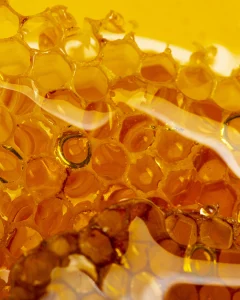
then seals with a wax cap once they are filled with honey.
She works with her colleagues to receive the nectar from the
foragers, passing it from crop to crop to thicken it and enrich it with enzymes.
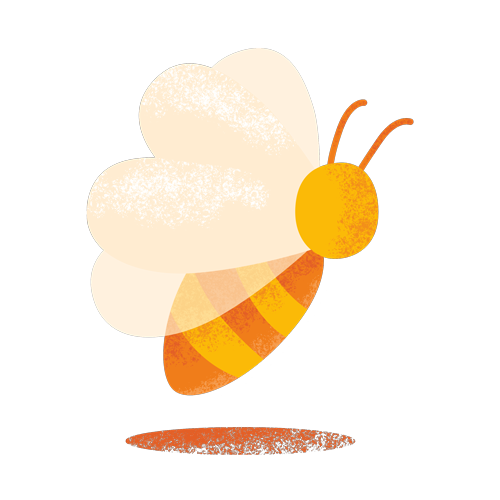
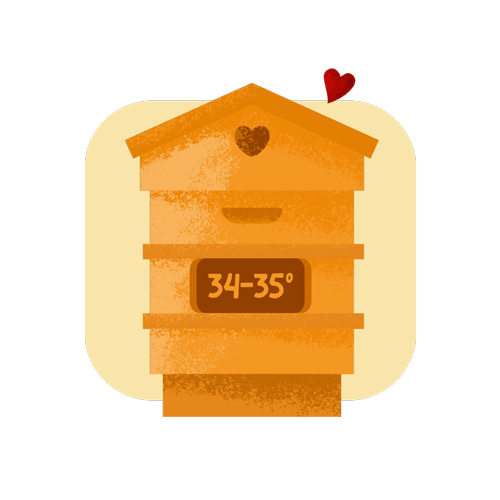
She fans the hive to regulate the temperature and at the same time dehumidify the nectar to turn it into honey.
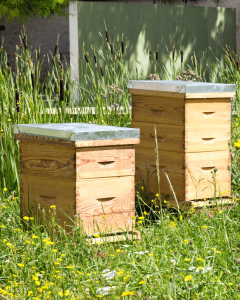
She watches over and defends the entrance to the hive to prevent intruders (hornets, thieving bees, rodents, etc.) from entering!
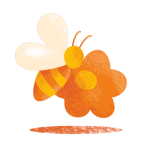
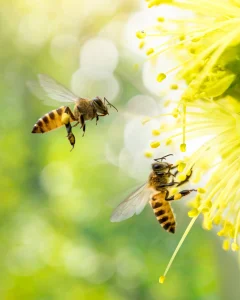
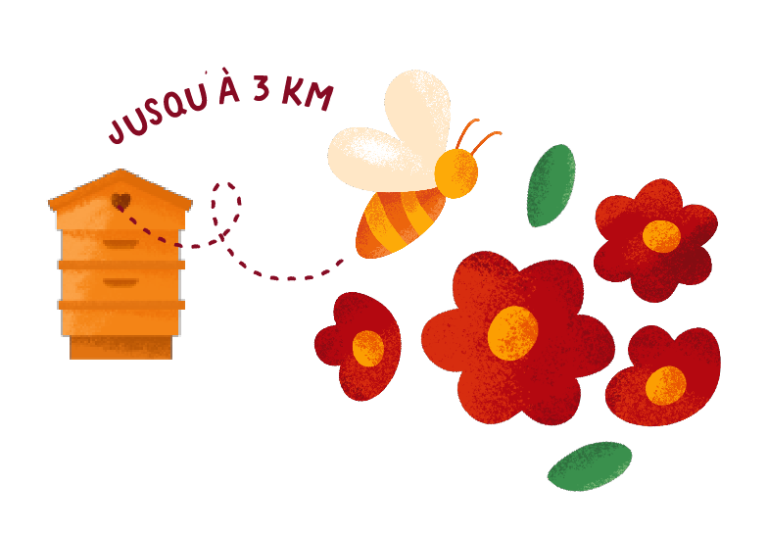
She collects the best pollen and nectar by foraging among flowers, and
brings these precious treasures back to the hive.


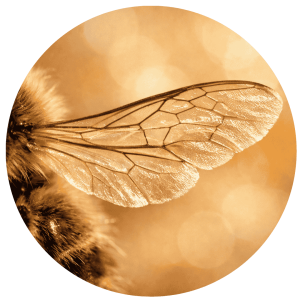
WINGS
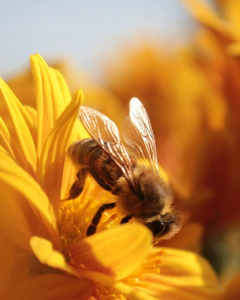
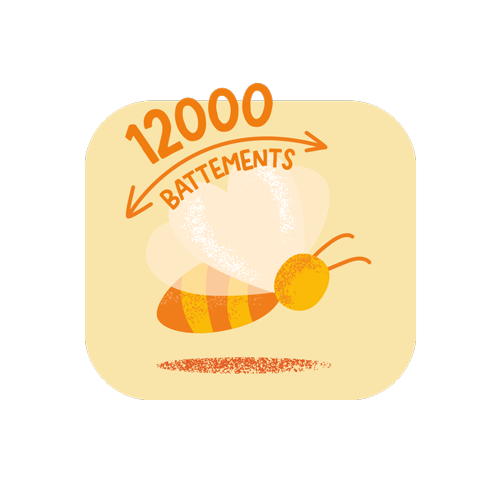
The four thin wings beat very rapidly, up to 200 times per second.
They allow bees to fly with agility, at speeds of up to approximately 30 km/h.
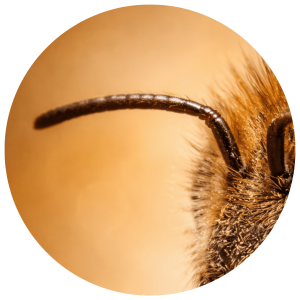
ANTENNAE
The antennae are impressive sensory tools. Bees use them to
locate flowers, communicate with their fellow bees, and recognize their hive.
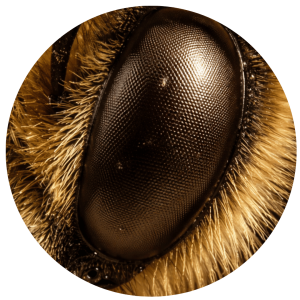
COMPOUND EYES
Bees have two large compound eyes made up of thousands
of facets. This structure allows them to detect movement very quickly and to see ultraviolet light, which is invisible to humans but essential to the way bees locate flowers.
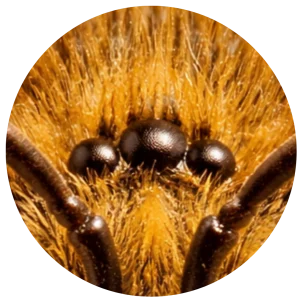
OCELLI
Bees have 3 small extra eyes called ocelli on the top of their heads to enhance their vision. They mainly serve to detect light intensity and help the
bee orient itself.
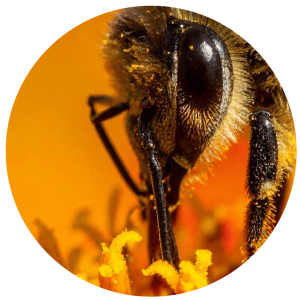
PROBOSCIS
The proboscis, or tongue, functions like a small straw. It allows bees to suck up nectar from the heart of flowers.
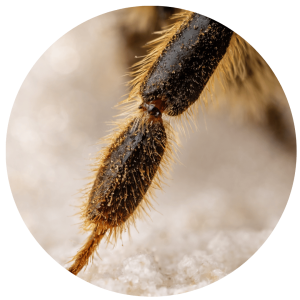
LEGS
Bees have six legs. They are used for movement, cleaning the body,
and transporting pollen using small "baskets"; located on the hind legs.
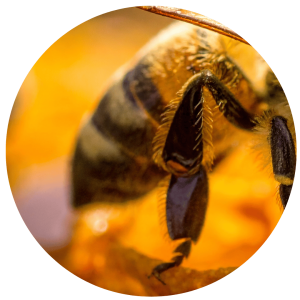
CROP
The crop, or honey stomach, is a small pouch located in the abdomen.
It is used to store nectar collected from flowers and to transport it to the hive.
On the journey back to the hive, the bee's enzymes start to act on the nectar.
Once back at the hive, it is passed on to another bee to continue honey
production.
THORAX
The thorax is the central part of the bee's body. It contains the powerful muscles that operate the wings and legs, essential for its movement and daily work.
ABDOMEN
The abdomen contains the bee’s main internal organs. These include the digestive system and various glands, such as those that produce wax. The stinger is also located here.
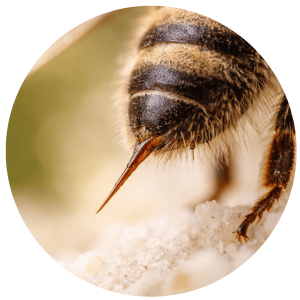
STINGER
The stinger is a defence tool used to protect the hive. It is only used
in case of danger!

-
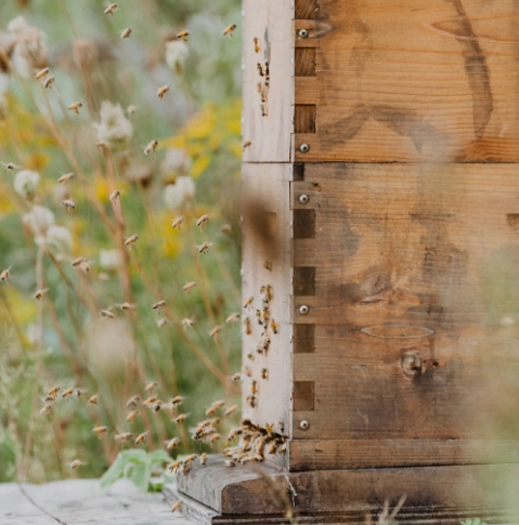 Let "weeds" grow
clover, dandelions, nettles are all good for bees
-
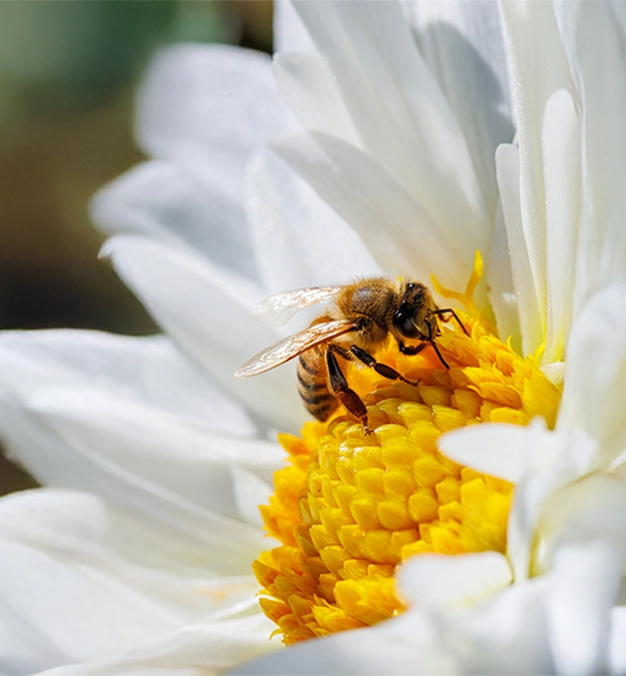 Diversify your planting
Bees need variety
-
 Choose local plants
They adapt better and are more attractive to bees
-
 Keep some areas wild
Piles of branches and tall grass make wonderful refuges for bees
-
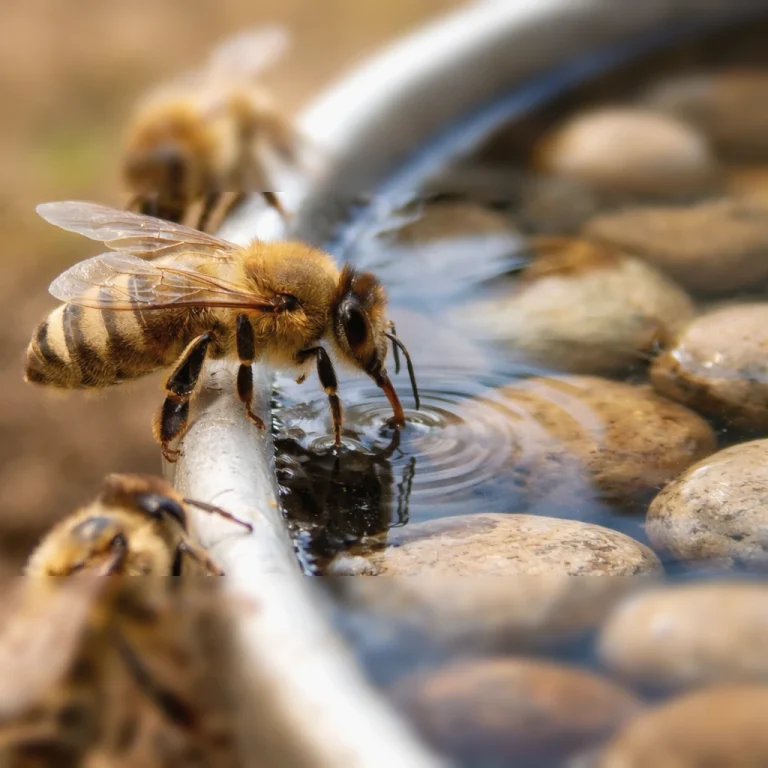 Provide water
in a saucer with a few pebbles at the bottom, especially in summer so that they can cool the hive
-
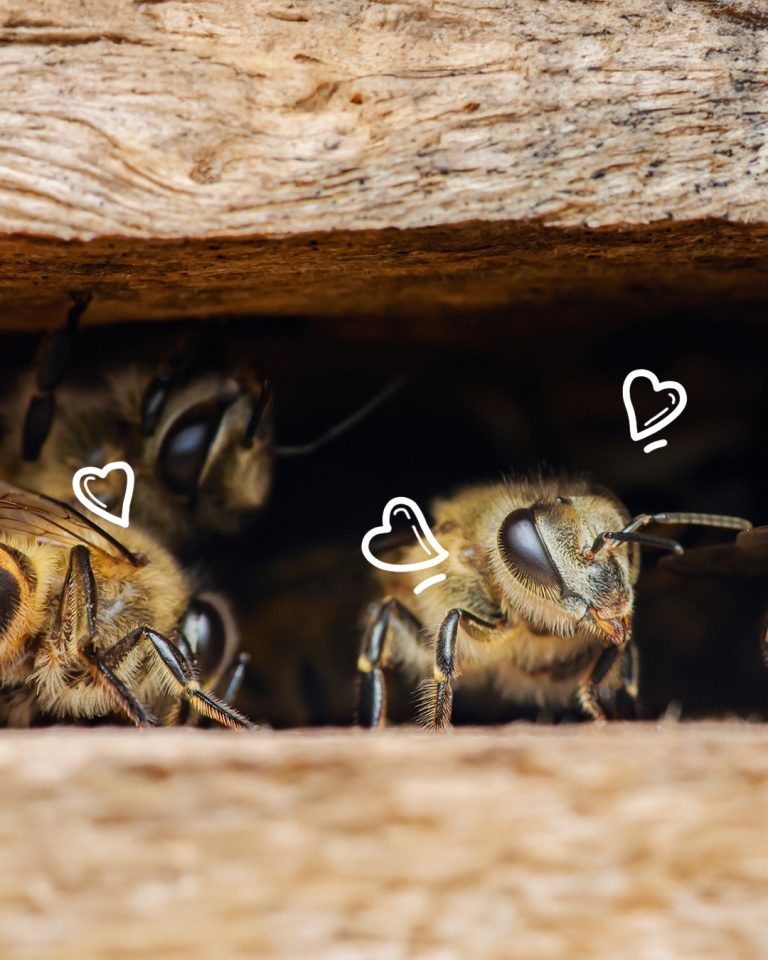 Avoid pesticides and chemicals
Avoid pesticides and chemicals